

One question I’m asked a lot by parents is what the best age is for starting to learn a second language.
While it’s true that you can learn a language to a high level of competency at any age (I started learning Spanish when I was in my late twenties and became fluent within several years), there is an optimal age to do so, and most linguists agree: the sooner the better.
Many studies show that there is a critical period for language acquisition which lasts from birth up to sometime between age 5 and puberty.
From 0 – 10 years old
While there is much debate about exactly when the critical period for language acquisition ends, recent research suggests that up to about 10 years old is the age window within which native-like fluency and pronunciation in a second language can develop. During early years, the brain is more plastic and a child is unconsciously able to pick up the nuances of pronunciation, marking the difference from speakers who learn later. It’s also a period during which children can learn languages almost without effort, and, critically, are able to internalize grammar rules without consciously learning them.
Simultaneous and sequential learning:
It should be noted that there is a difference in language development between children who learn two languages at the same time (simultaneously), and children who learn a second language after their first (sequentially). When a child learns languages simultaneously (which usually happens between 0 – 3 years old), the learning process is similar to a monolingual child. However, when a child learns languages sequentially (usually happens after 3 years old), the learning process is different and more influenced by their environment and personality.
After 10 years old
Although older children may seem to progress faster than younger children in the initial stages of language learning, they usually don’t achieve native-like fluency or pronunciation. While vocabulary can be learnt at any age, grammar seems more difficult to master as students get older. While it’s possible to learn grammatical rules, they have to be taught explicitly and are difficult to internalise. In addition, self-consciousness, embarrassment or fear of making mistakes often act as blocks for older students learning a second language.
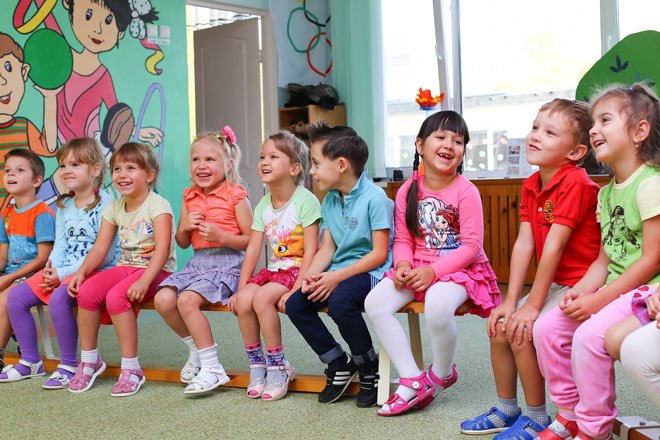
Of course, as with any learning, the speed and proficiency with which a child picks up a second language will vary. Particularly for sequential learners, many factors such as personality, natural ability, the frequency and quality of exposure to a language, and the interest a child has in it will all influence the rate at which they learn and the eventual level of fluency.
This is why it’s so important to create a positive association with a new language and make learning fun.
Other articles you may like to read:
- Second Language Acquisition in Early Childhood
- A critical period for second language acquisition: Evidence from 2/3 million English speakers
- Critical period effects in second language learning: The influence of maturational state on the acquisition of English as a second language
SUBSCRIBE to my free newsletter for discounts and updates on new resources!

Please read the FAQ for full info about how you can use my resources.



Leave a Reply